
A rehabilitation therapist in Milton Keynes plays a vital role in supporting individuals recovering from injury, illness, or long-term conditions. Rehabilitation therapists work with patients to restore function, improve mobility, and enhance independence through structured therapeutic interventions. Their expertise supports recovery across physical, neurological, and functional domains. Rehabilitation therapists may specialise in physiotherapy, occupational therapy, or neurological rehabilitation. They assess individual needs and develop tailored treatment plans aligned with patient goals, medical guidance, and long-term wellbeing.
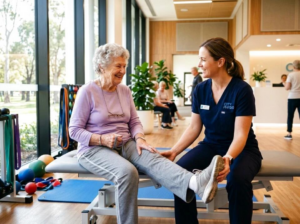
What Are the Contributions of a Rehabilitation Therapist in Milton Keynes ?
- Comprehensive Assessment and Goal Setting –Rehabilitation therapists begin with a detailed assessment of physical abilities, movement patterns, and functional challenges. This evaluation forms the foundation for personalised goal setting, ensuring therapy is aligned with the patient’s recovery objectives and daily living requirements.
- Personalised Treatment Planning –Each rehabilitation plan is designed to address specific conditions, limitations, and lifestyle factors. Tailored treatment ensures therapy remains relevant, effective, and adaptable as progress is made over time.
- Physical Rehabilitation and Mobility Support – Rehabilitation therapists support the restoration of strength, flexibility, balance, and coordination. Through guided exercises and therapeutic techniques, patients work towards improved mobility and reduced pain or stiffness.
- Functional Skills and Daily Living Support –Rehabilitation therapy focuses on improving the ability to perform everyday tasks such as walking, dressing, lifting, or returning to work. Therapists help patients relearn functional skills and introduce adaptive strategies where necessary.
- Neurological Rehabilitation Expertise –For individuals with neurological or complex conditions, rehabilitation therapists apply specialised techniques to support motor relearning, coordination, and cognitive engagement. This targeted support is essential for long-term functional improvement.
- Education and Self-Management Guidance – Therapists provide education on posture, movement, and injury prevention. Home exercise programmes and self-management guidance empower patients to continue progress outside therapy sessions.
- Collaboration with Healthcare Professionals –Rehabilitation therapists work alongside doctors, nurses, psychologists, and other specialists to deliver coordinated care. This collaboration ensures treatment plans are aligned with broader medical and recovery goals.
- Long-Term Recovery and Prevention Support –Beyond immediate rehabilitation, therapists support long-term wellbeing by promoting healthy movement habits and strategies to prevent future injury or functional decline.
- Ongoing Progress Monitoring and Adaptation – Regular evaluation allows therapists to adjust treatment plans as recovery progresses. This responsiveness ensures therapy remains effective and aligned with evolving patient needs.
A rehabilitation therapist in Milton Keynes provides structured, professional support that enables individuals to regain function, confidence, and independence. Through personalised therapy programmes, specialist expertise, and collaborative care, rehabilitation therapists support sustainable recovery and improved quality of life. Their role is essential in helping patients navigate recovery with clarity, consistency, and confidence.


