
Physiotherapy plays a vital role in restoring movement, reducing pain, and improving overall quality of life. Whether someone is dealing with sudden back pain, recovering from surgery, or managing long-term mobility challenges, timely and appropriate physiotherapy care can make a significant difference. Many people today search online for “physio near me open today” when they need urgent help. Others look for a private physiotherapist who can visit their home, especially when travel is difficult. Families caring for elderly loved ones in wheelchairs often seek specialized physiotherapy tailored to their unique needs.
Although these concerns may seem different, they are connected by a common goal: accessible, personalized, and effective rehabilitation. This blog explores how same-day physiotherapy services, home-based treatment, and elderly wheelchair care work together to support recovery and independence.

The Importance of Immediate Physiotherapy Care
When pain strikes suddenly, waiting days or weeks for an appointment can worsen the condition. Acute back pain, neck stiffness, sports injuries, muscle spasms, or joint inflammation require early intervention. Searching for a physiotherapist who is open today reflects the urgency many patients feel when discomfort interferes with daily life.
Same-day physiotherapy helps control inflammation, reduce pain, and prevent minor injuries from becoming chronic issues. Early assessment allows the physiotherapist to identify the root cause of the problem and design a targeted treatment plan. Prompt treatment often reduces the need for heavy medication and shortens recovery time.
Modern physiotherapy clinics increasingly offer extended hours, weekend appointments, and emergency sessions to meet patient demands. Quick access to care ensures that mobility is restored faster and complications are minimized. Immediate physiotherapy is not just about convenience—it is about protecting long-term function.
Why Home Physiotherapy Is Becoming More Popular
For many individuals, visiting a clinic is not always practical. Seniors, post-surgery patients, individuals with disabilities, or those experiencing severe pain may struggle to travel. In such cases, private physiotherapy home visits provide an ideal solution.
Home physiotherapy combines professional treatment with comfort and convenience. Patients often feel more relaxed in their own environment, which encourages better participation in exercises. There is no travel stress, no waiting rooms, and no transportation concerns. This is especially helpful for individuals who depend on caregivers or family members for mobility.
Another significant advantage of home visits is personalized attention. The physiotherapist can assess the patient’s living environment and recommend practical adjustments to improve safety and mobility. For example, they may suggest changes in seating posture, bed height, or walking pathways to reduce fall risks.
Home sessions also allow family members to observe treatment and learn supportive exercises. This collaboration improves consistency between sessions and strengthens recovery outcomes. For elderly patients or those with weakened immunity, home visits also reduce exposure to infections in busy clinics.
Physiotherapy for Elderly Patients in Wheelchairs
Caring for an elderly person who uses a wheelchair requires a specialized approach. Limited mobility can lead to muscle weakness, joint stiffness, reduced circulation, and pressure sores if not managed carefully. Physiotherapy becomes essential not only for rehabilitation but also for preventing secondary complications.
Wheelchair users often rely heavily on their upper body for movement and daily tasks. Physiotherapy focuses on strengthening arms, shoulders, and core muscles to improve posture and mobility. Maintaining joint flexibility through range-of-motion exercises helps prevent contractures and stiffness.
In addition to physical strength, balance and coordination are important. Even when walking is not possible, maintaining proper sitting balance reduces strain and discomfort. Physiotherapists also provide transfer training, teaching patients and caregivers how to move safely from wheelchair to bed or chair.
Pain management is another key component. Elderly wheelchair users may experience back pain, shoulder strain, or hip discomfort due to prolonged sitting. Gentle stretching, guided exercises, and manual therapy techniques can significantly improve comfort levels.
Importantly, physiotherapy for wheelchair-bound seniors is not only about physical function. It also promotes confidence, independence, and emotional well-being. Even small improvements in strength and flexibility can enhance quality of life.
Combining Immediate Care, Home Visits, and Elderly Rehabilitation
Although searching for a physio open today, requesting a home visit, and seeking elderly wheelchair care may appear as separate needs, they often overlap. For example, an elderly person in a wheelchair who develops sudden shoulder pain may need same-day physiotherapy at home. Similarly, a patient discharged from the hospital after surgery may initially require urgent care and then transition to home-based rehabilitation.
Accessible physiotherapy services bridge these needs by offering flexible solutions. Clinics that provide both in-clinic and home-based services ensure continuity of care. A patient may begin treatment at a clinic for acute pain management and later continue therapy at home for convenience and long-term recovery.
This integrated approach ensures that treatment adapts to the patient’s changing condition. As mobility improves or declines, physiotherapy plans are modified accordingly. Personalized care remains the foundation of successful rehabilitation.
What to Expect During a Physiotherapy Session?
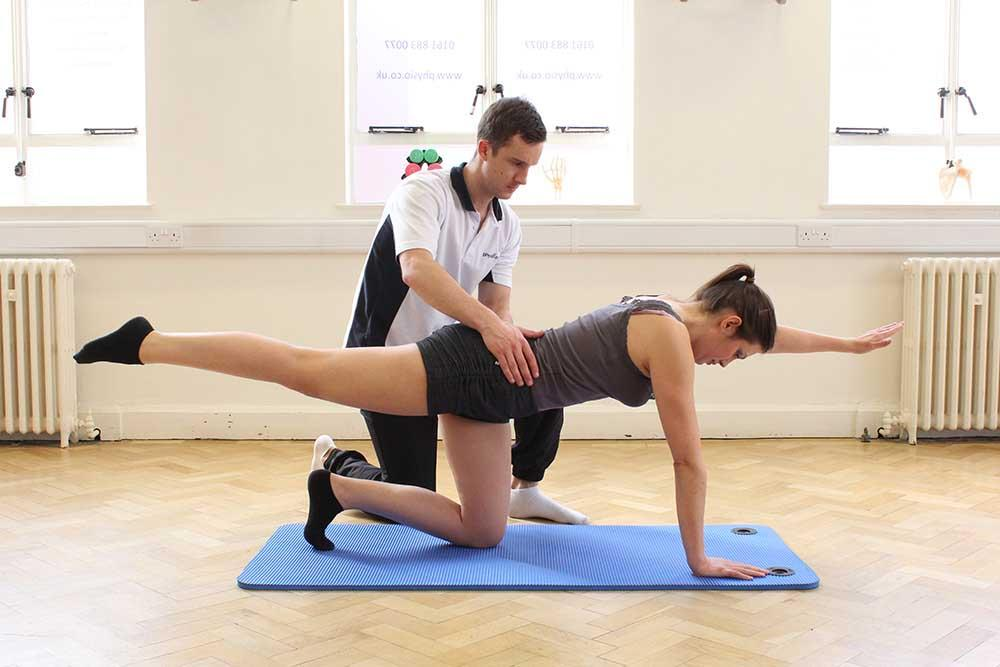
Whether at a clinic or at home, a physiotherapy session typically begins with a detailed assessment. The physiotherapist evaluates strength, range of motion, posture, balance, and pain levels. Based on this evaluation, a customized treatment plan is created.
Treatment may include guided exercises, stretching, strengthening routines, balance training, and hands-on techniques to relieve stiffness or discomfort. Patients are often given simple home exercises to perform daily. Consistency is essential, as regular practice reinforces progress made during sessions.
For elderly patients in wheelchairs, sessions may also involve caregiver education. Learning how to support safe transfers, maintain correct posture, and prevent pressure injuries plays a vital role in overall care.
How Long Does Physiotherapy Take?
The duration of physiotherapy varies depending on the condition being treated. Acute muscle strains or minor injuries may improve within a few sessions. Chronic pain conditions may require several weeks of consistent therapy. Post-surgical rehabilitation or elderly mobility programs may continue for months.
For wheelchair-bound seniors, physiotherapy is often ongoing. The goal may not always be full recovery but rather maintenance of strength, flexibility, and comfort. Regular sessions help prevent decline and preserve independence.
It is important to understand that physiotherapy is not an overnight solution. Gradual improvement through steady effort leads to long-lasting results. Patients who actively participate in their rehabilitation process often see better outcomes.
Conclusion
Accessible physiotherapy is more than a convenience—it is a necessity for maintaining mobility and independence. Whether you are searching for a physio near you open today, looking for a private physiotherapist who can visit your home, or seeking specialized care for an elderly loved one in a wheelchair, the right support can make a meaningful difference.
Early intervention reduces pain and speeds recovery. Home-based care offers comfort and personalized attention. Specialized elderly physiotherapy protects long-term health and enhances quality of life. When these services are combined, patients receive comprehensive care tailored to their unique circumstances.
Physiotherapy empowers individuals to move better, feel stronger, and live more independently. With the right professional guidance and consistent effort, recovery and improved mobility are always within reach.
Looking for the best Physiotherapy? Contact us today.
Call Now: ✆ 07850960565
Email: info@wecarephysioltd.co.uk
Visit Us: Business Campus 1-9 Barton Road Bletchley Milton Keynes MK2 3HU
Open:


