
Back pain is one of the most common health complaints worldwide, affecting people of all ages and lifestyles. Whether it’s from sitting too long at a desk, lifting something heavy, or simply poor posture, the discomfort can interfere with daily activities and quality of life.
When it comes to managing back pain, two strategies often come up: stretching and strengthening. But which one is actually better for your back? The answer isn’t always straightforward — it depends on the cause of your pain, your overall health, and your daily habits.
In this blog, we’ll explore the benefits of both stretching and strengthening, how they work differently, and how to combine them for the best results.
Understanding Back Pain
Before diving into the debate, it’s important to understand what causes back pain. Some of the most common reasons include:
- Muscle strain or tension (often from sitting or standing too long)
- Weak core or back muscles that can’t support the spine properly
- Poor posture that places extra stress on the back
- Injury or overuse from physical activity
- Underlying conditions such as arthritis, slipped discs, or sciatica
Since the causes vary, the treatment approach should also be tailored. That’s why both stretching and strengthening can play important but different roles in recovery and prevention.
The Role of Stretching in Back Pain Relief
Stretching helps reduce stiffness, improve flexibility, and restore mobility in muscles and joints. For many people, it provides immediate relief from tightness.
Benefits of Stretching for Back Pain
- Relieves Muscle Tension – Stretching relaxes tight muscles in the back, hips, and legs, which often contribute to pain.
- Improves Flexibility – Increased flexibility allows for smoother, pain-free movements.
- Enhances Circulation – Stretching boosts blood flow to the muscles, helping with healing.
- Reduces Stress – Gentle stretching can also lower stress levels, which may reduce muscle tightness.
Effective Stretches for Back Pain
- Knee-to-chest stretch – Helps lengthen the lower back muscles.
- Child’s pose (yoga stretch) – Relieves spinal tension and promotes relaxation.
- Cat-cow stretch – Increases spinal mobility and flexibility.
- Hamstring stretches – Reduces pulling on the lower back from tight leg muscles.
Note: Stretching alone doesn’t address the root cause if your back pain is due to weak muscles.
The Role of Strengthening in Back Pain Management
While stretching provides relief, strengthening builds long-term resilience. Strength training supports the spine, improves posture, and prevents recurring pain.
Benefits of Strengthening for Back Pain
- Supports the Spine – Strong back and core muscles reduce the strain on spinal structures.
- Improves Posture – Strengthening encourages better alignment, lowering the risk of pain.
- Prevents Injuries – Strong muscles protect the spine during daily activities or exercise.
- Long-term Solution – Unlike stretching, strengthening addresses underlying weaknesses.
Key Muscles to Strengthen for Back Health
- Core muscles (abdominals and obliques) for stability
- Glutes to support the pelvis and spine
- Back extensors to maintain upright posture
- Hip muscles for balanced movement
Effective Strengthening Exercises
- Bridges – Strengthen glutes and lower back
- Planks – Build overall core stability
- Bird-dog exercise – Improves coordination and spinal support
- Supermans – Strengthens the lower back extensors
⚠️ Note: Strengthening requires consistency and proper form. If done incorrectly, it can worsen back pain.
Stretching vs. Strengthening: Which Should You Choose?
The short answer: Both are important — but their role depends on your condition.
- If your back pain is mainly from tight muscles (e.g., after sitting long hours), stretching may provide immediate relief.
- If your back pain is due to weak muscles or poor posture, strengthening is more beneficial in the long term.
- For most people, the best approach is a combination of stretching and strengthening, supported by good posture habits.
Combining Stretching and Strengthening for Back Pain Relief
To get the best results, you don’t have to choose one over the other. A well-balanced routine includes both:
- Start with stretching – Loosen tight muscles and prepare the body for movement.
- Follow with strengthening – Build stability and resilience in the spine and core.
- Practice consistency – Just 15–20 minutes a day can make a big difference.
- Listen to your body – If an exercise worsens pain, stop and seek professional advice.
Lifestyle Tips for a Healthy Back
Along with stretching and strengthening, these habits can support your back health:
- Maintain good posture while sitting, standing, or working at a desk.
- Take regular breaks to avoid long periods of sitting.
- Stay active with low-impact exercises like walking, swimming, or cycling.
- Sleep well on a supportive mattress.
- Consult a physiotherapist if pain persists or worsens.
When to See a Physiotherapist
While mild back pain often improves with self-care, professional guidance is essential if you experience:
- Persistent or worsening pain
- Pain radiating down the leg (sciatica)
- Numbness or tingling in the legs
- Difficulty walking or performing daily tasks
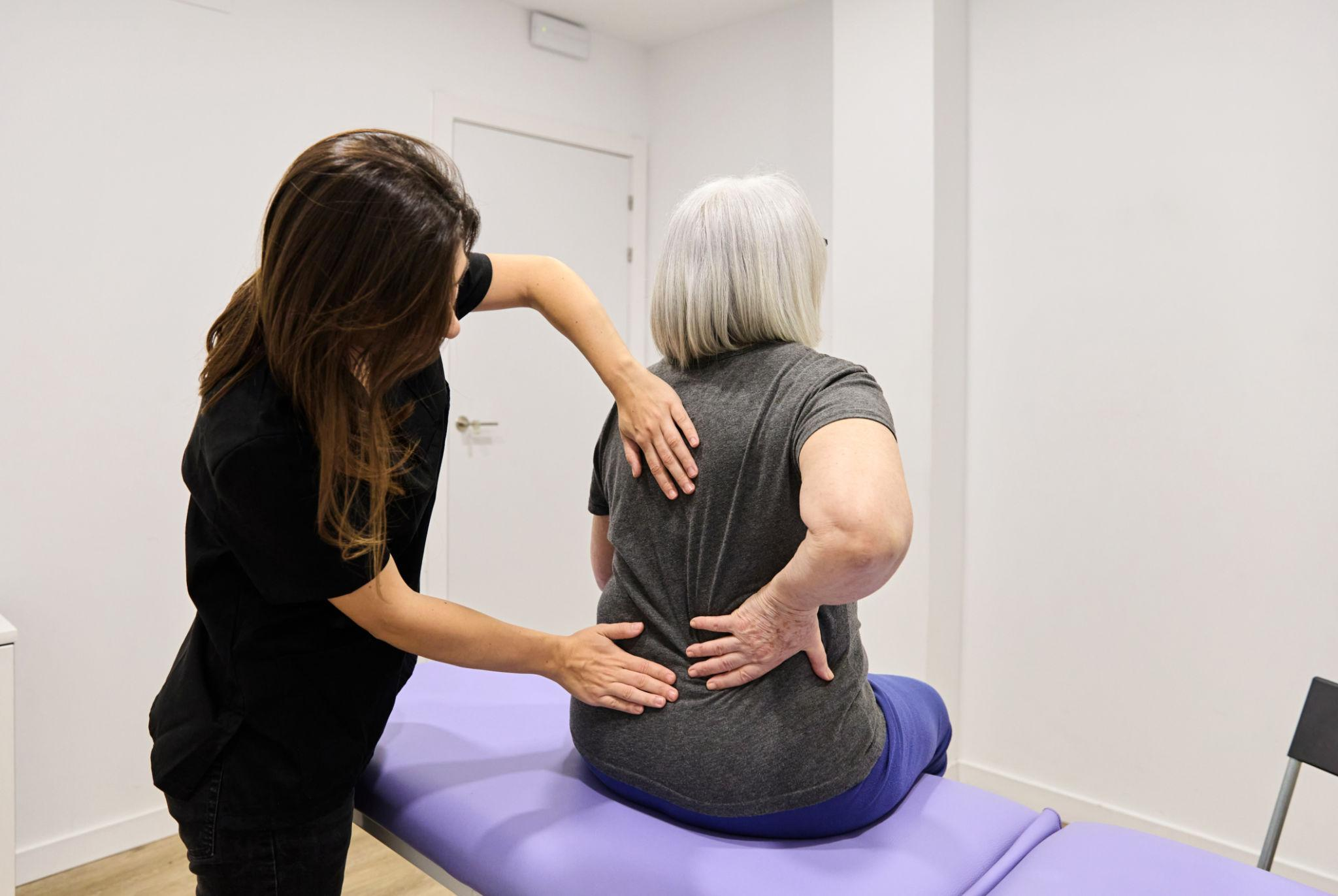
A physiotherapist can assess your condition, identify the root cause, and design a personalized program that combines stretching, strengthening, and posture correction.
Final Thoughts
So, what’s best for your back pain — stretching or strengthening? The truth is, they work best together. Stretching offers quick relief from tightness, while strengthening provides long-term protection and resilience.
If you’re struggling with back pain, start with gentle stretches and gradually add strengthening exercises to build core stability. Most importantly, listen to your body and seek professional help when needed.
By combining both approaches and maintaining healthy lifestyle habits, you can reduce pain, improve posture, and enjoy lasting back health.
Key Takeaway: Stretching helps in the short term, strengthening helps in the long term, and together they provide the most effective back pain relief.


